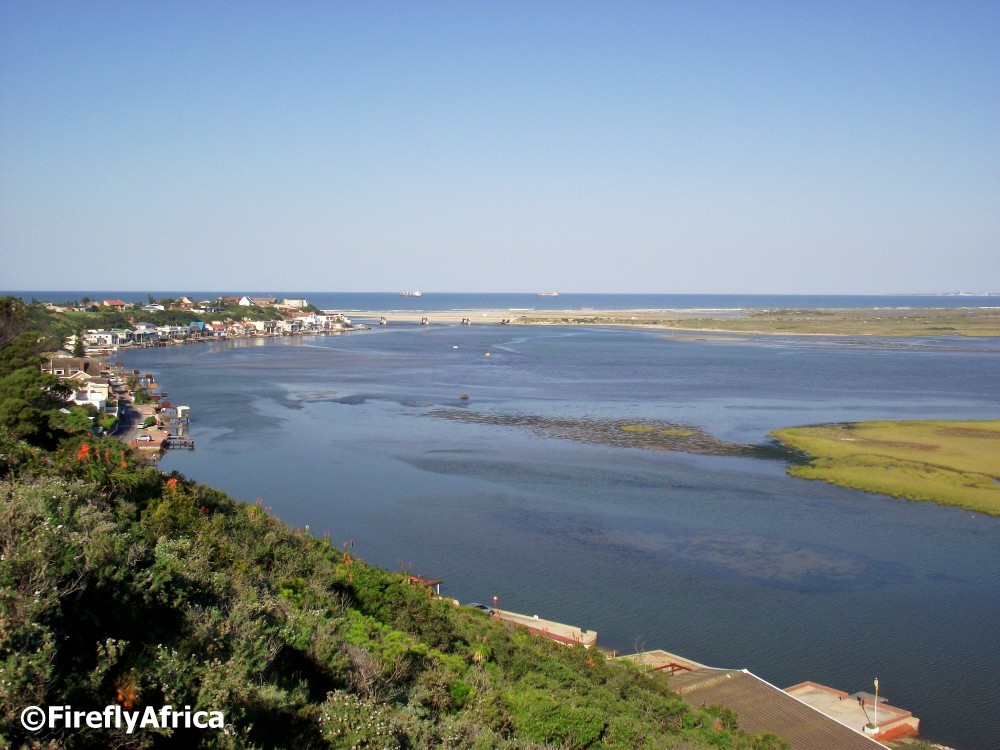
Joe Bananas Kayak tours is a water adventure company that is based in Gqeberha (Port Elizabeth). We are operating in and around the Nelson Mandela Metropolitan area. Mainly along the Gqeberha beachfront and Colchester on the Sundays river. We offer guided kayaking trips in the ocean and on the river. The tours will last for 2 hours, giving our guests an unforgettable experience on kayaks while learning about the beautiful biodiversity and culture of Nelson Mandela Bay with a professional guide. We offers friendly and comprehensive service designed around the safety of our clients during their experience with us.
Joe Bananas Kayak Tours is proudly South African. As a company we thrive to protect the environment we operate in and sustainably work together with different organisations to promote conservation and development in our communities. Our passion as company lies in showcasing our Bay and country in a different light to the rest of the world.
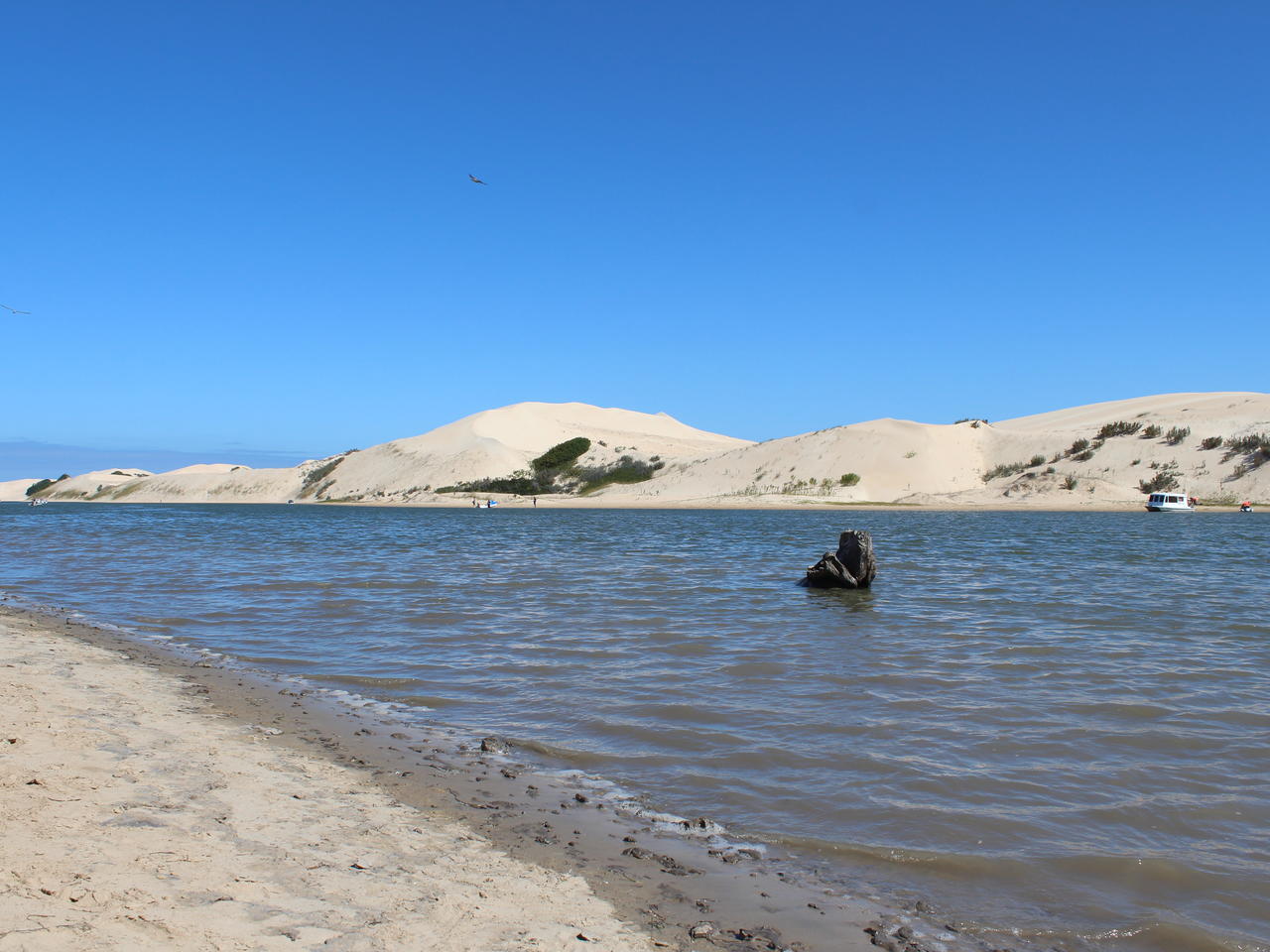
The source of the 250 kilometres long Sundays River is in the Sneeuberge (the highest mountain range in the former Cape Province) near Nieu-Bethesda. The river then flows in a general South/South-easterly direction, passing the town Graaff-Reinet in the Karoo before winding its way through the Zuurberg Mountains and then past Kirkwood and Addo in the fertile Sundays River Valley. It empties into the Indian Ocean at Algoa Bay after flowing through the village of Colchester, 40 km east of the city of Gqeberha. It is said to be the fastest flowing river in the country. The Inqua Khoi people, who historically were the wealthiest group in Southern Africa, originally named this river !Khukaǁgamma (the waters with the spirit of abundance) because the rivers banks are always green and grassy despite the arid terrain that it runs through. Alexandria State Forest, known as Langebos to the locals, which is a narrow stretch of pristine indigenous forest bordering the Alexandria dune field. These dunes are the largest (covering approximately 15 800 hectares) and least degraded coastal dune field in the southern hemisphere. The Woody Cape Nature Reserve, which stretches from the Sundays River mouth to the Bushmans River mouth and includes the dune field and the indigenous forest, has been incorporated into the Addo Elephant National Park. In 2004 The South African Department of Environmental Affairs and Tourism suggested that the area be recognized as a Unesco World Heritage Site, and it currently sits on a Unesco waiting list for evaluation. Some dunes are covered with vegetation while others are bare. Amongst these massive mounds are many pockets of bushes that are home to small animals such as the Dune Gerbil which is endemic to South Africa, Bush Pig, Kudu, Cape Ververt Monkeys and African Thick-knee which can be spotted darting around. (About the area, under sea kayaking)
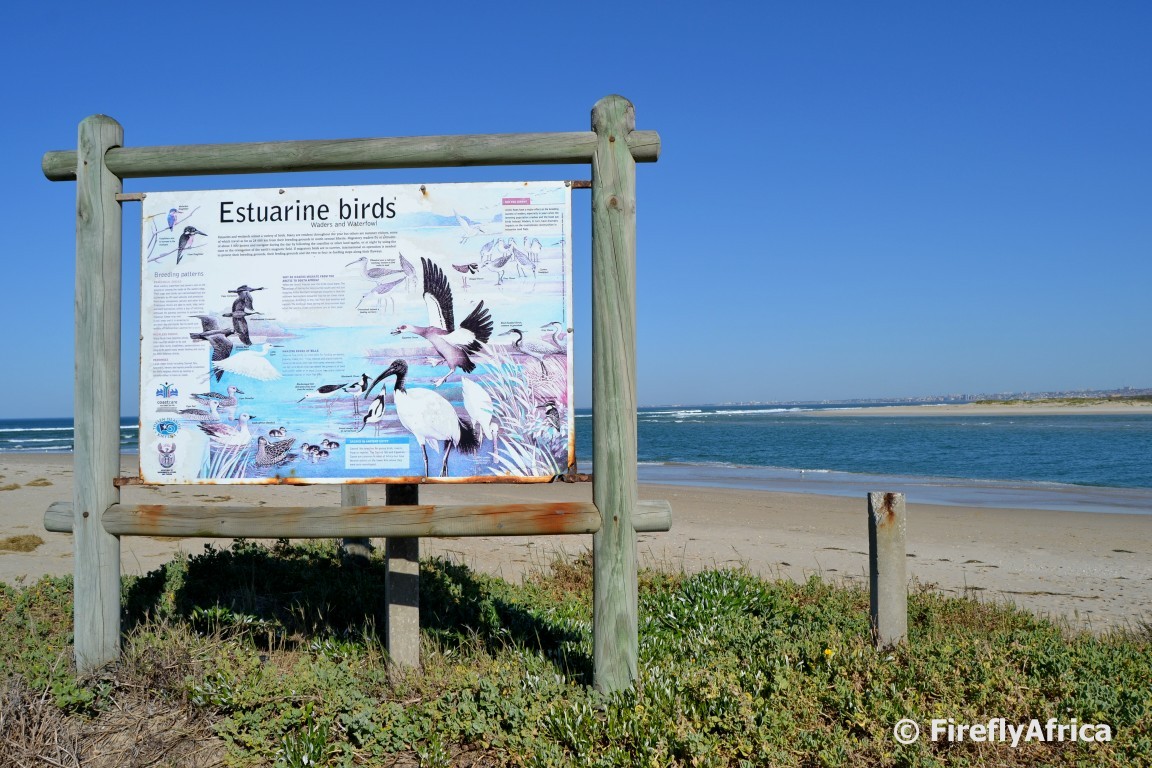
Located on the western portion of Algoa Bay which stretches 80 km wide along the south-eastern coast of South Africa. It is east of the Garden Route and faces the Indian Ocean. It covers 251 square kilometres of the Nelson Mandela Bay metropolitan area, and it is also know as the water sports capital of South Africa. The citys warm oceanic climate ranks it among the top cities in the world for pleasant year-round weather. The city is known for many blue-flag beaches along the citys urban coastline; its popularity as an international and local holiday destination; and its rich and diverse cultural heritage. It is a gateway city for the Eastern Capes adventure, outdoor and African big five game safari tourism. Official recognition based on the overwhelming evidence of a robust and accessible bottlenose dolphin population, Algoa Bay received the official title of “Bottlenose Dolphin Capital of the World” in 2016. This recognition highlights the bays importance for both research and responsible dolphin tourism. Bird Island and St. Croix Islands in Algoa Bay were proclaimed as part of the Addo Elephant National Park in 2005. Bird Island is part of the group of four islands (Bird, Stag, Seal and Black Rocks Island) and is an important breeding place for marine bird species and it supports the largest breeding colony of Cape gannets (over 160 000 birds) and African Penguins (over 22 000) and other species like the rare Roseate Terns.